

Recent Updates

Te Hono o Ngā Waka x ACFB – A Change For Better
At Te Hono o Ngā Waka, we’re proud to be part of a powerful and transformative partnership with ACFB – A Change for Better. Together, we’ve been on a journey to shine a light on neurodiversity within our whānau and create real change that supports understanding, healing, and empowerment.
To date, we’ve supported over 30 whānau—rangatahi, pakeke, and tamariki—through neurodiversity screening. For many, this has been a life-changing experience. Some have walked away in shock, finally making sense of challenges they’ve faced for years. Others have felt deep relief, understanding that what they once saw as failure was actually unmet needs. And for some, it's sparked a new excitement about what their future, and the future of their tamariki, might now look like.
What we’ve come to know through this kaupapa is both confronting and clarifying: when neurodiversity goes unrecognised and unsupported, the risks are significant. We see links to drug and alcohol misuse, incarceration, exclusion from education, and a sense of disconnection from identity and belonging. The average life expectancy for a neurodiverse person is just 54 years old. They are nine times more likely to die by suicide, often from the cumulative effects of being misunderstood, unsupported, and excluded.
And yet, despite these realities, our current systems are still not built to support neurodiverse whānau in meaningful, early, and culturally safe ways. Far too often, tamariki are labelled as “naughty” or “too hard” rather than being seen for who they truly are—intelligent, capable, and worthy of love and support.
This is why our mahi with ACFB matters. It’s about more than assessments—it’s about advocacy, awhi, and rewriting the narrative. We want our whānau to understand their own wiring and gifts, to access the tools and supports they need to thrive, and to know that they are not broken—they are different, and that difference is valuable.
As we continue this journey, we remain committed to pushing for systemic change. We want to see more equitable access to screening, culturally grounded pathways to support, and a future where our neurodiverse whānau are celebrated—not sidelined.
Because when we know better, we can do better. And when whānau are seen, understood, and supported, the ripple effects go far beyond the individual—they change generations.
Let me know if you want to include any quotes, photos, or upcoming events tied to this mahi, and I can help you integrate that too.
Aroha Nui, Mokopuna Ora – Honoring the Legacy
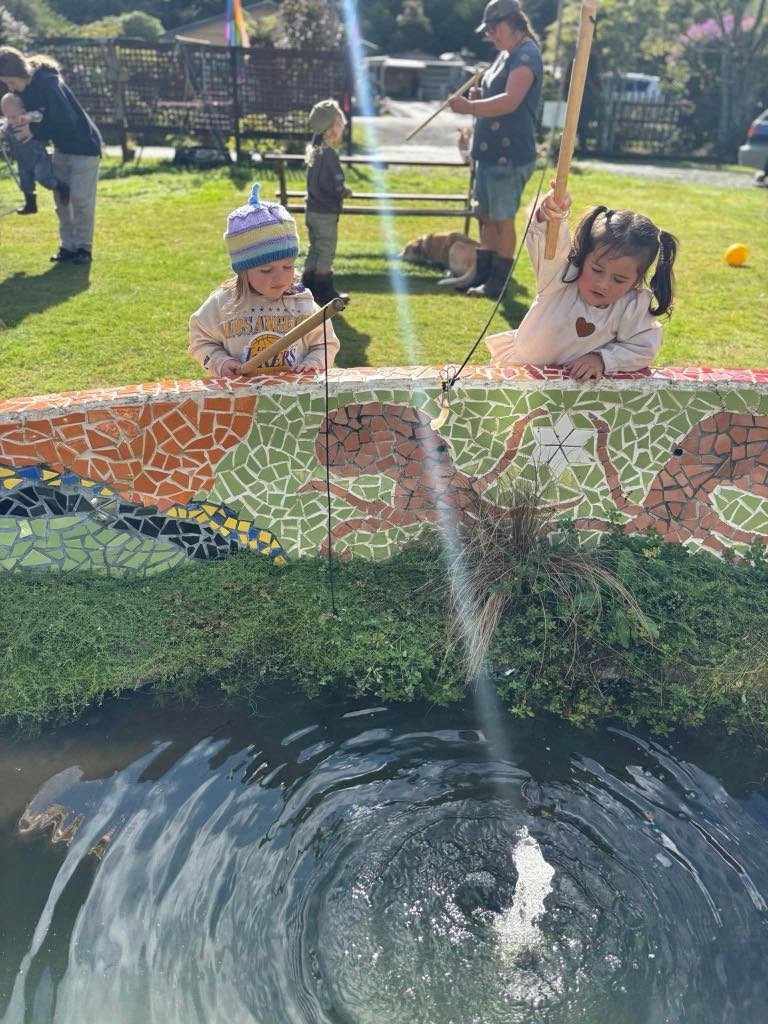
It is with heavy hearts that we share that Mokopuna Ora will come to an end this June. Even more devastating is the closure of Te Pūtahitanga o Te Waipounamu, the commissioning agency that backed this kaupapa from the beginning.
This is not just the end of a contract — it’s the loss of a powerful, whānau-led movement that supported our māmā and pēpi in ways that truly honoured who we are. Mokopuna Ora wasn’t just a programme; it was a living expression of our tūpuna values, our mātauranga, and our hopes for intergenerational wellbeing.
At Te Hono o Ngā Waka, this kaupapa has been part of our wairua. First led by myself, then by Nikita, and most recently by Te Aroha, we have supported hundreds of whānau through our Tūpuna Parenting and Building Awesome Whānau programmes. Together we created space for our māmā and tāne to reconnect, reflect and realise that parenting with aroha, strength and tikanga is not only possible — it’s part of our whakapapa.
It’s incredibly disheartening to witness the widespread cuts under the current National Government. So many kaupapa that were working, that were grounded in whānau leadership and cultural identity, have been taken away. These weren’t handouts — they were systems of restoration, healing, and empowerment.
We will continue to do this mahi in whatever way we can. Whether it looks the same or takes a new shape, Mokopuna Ora lives on through us. The knowledge, the mātauranga, and the science of the first 30 days of life — the vital window that sets the foundation for everything to come — is something we can no longer unlearn.
"Do what you can with what you know, and when you know better — do better."
E kore e mimiti te puna aroha.
Ka whati te tī, ka wana te tī — the kaupapa continues.

He mihi whakahirahira – Celebrating a Milestone for Our Kōhanga Reo Dream
After 10 long years of dreaming, planning, and preparing—we are beyond proud to celebrate our whānau who have successfully completed their kōhanga reo training and graduated this weekend! Their dedication marks a huge step forward in our journey to re-establish our very own kōhanga. This achievement is more than just a milestone—it's a symbol of our commitment to re-indigenizing our community and embedding te reo Māori into the hearts of our whānau and tamariki for generations to come. More whānau are set to begin their kōhanga training next year, ensuring our kaupapa continues to grow stronger. E kore e mutu ngā mihi—this is only the beginning!

Is it Sensory or is it Behavior? – A Powerful Return to Te Tai O Poutini with Elen Nathan
We were privileged to welcome Elen Nathan back to Te Tai o Poutini for another powerful session titled “Is it Sensory or is it Behaviour?”—and what an incredible wānanga it was!
With an awesome turnout of 34 people, the session was full of insight, laughter, reflection, learning, and powerful kōrero. Elen guided us through the deep connections between our sensory systems and our behaviours, reminding us of one key message that resonated with everyone: “We don’t choose our behaviour—our sensory system does.”
Elen Nathan is a New Zealand–registered occupational therapist and certified sensory integration practitioner with over 20 years of experience supporting children and adults with diverse needs. Her areas of expertise include neurodiversity, autism spectrum disorder, sensory processing differences, dyspraxia, and communication-of-need behaviours.
She is the founder and director of The Playful Place, a neurodiverse-affirming occupational therapy practice in Aotearoa. Elen has worked with leading organisations including Autism New Zealand, the National Autistic Society (UK), and Autism Victoria (AUS), and is also a trained facilitator in LEGO® SERIOUS PLAY®. As a mother to two boys with different sensory profiles, she brings both professional expertise and lived experience to her work.
Throughout the session, we explored three essential lenses that must guide our mahi:
Trauma-informed
Culturally safe
Neurodiverse inclusive
We also gained a deeper understanding of the difference between predictable and unpredictable stress, and how this impacts the way we support and build resilience in our whānau. Elen reminded us that our goal is not equality, but equity—ensuring everyone receives what they need to thrive.
Some of the most beautiful and simple reminders from the day included:
Be open, curious, empathetic, and kind.
Smile with your eyes.
Everyone is care-seeking.
And if Batman hits Robin, Batman needs our support.
Thank you to Elen for holding this space with such aroha, clarity, and mana. The ripple effect of this session will be felt throughout our homes, kura, and community for a long time to come.

Kaniere Retreat, Reconnecting with Ourselves, Our Whānau, and Te Taiao
Over the weekend, our whānau gathered for a special retreat at the beautiful Lake Kaniere—a weekend filled with connection, kōrero, and kotahitanga. We came together as tamariki, rangatahi, wāhine, and tāne, to slow down, share space, and strengthen our bonds through whakawhanaungatanga.
From the moment we arrived, the energy was peaceful but powerful. Surrounded by ngahere and the stillness of the lake, we knew we were in the right place to wānanga, reflect, and reconnect—not just with each other, but with ourselves and the natural world.
One of the highlights was dipping into the icy cold waters of Lake Kaniere—an invigorating and healing experience for many of us. It reminded us of the strength and clarity that comes from embracing discomfort and returning to the elements. Tamariki played freely, exploring the bush and learning through nature, while the adults had time to walk, kōrero, and breathe.
We shared kai, stories, laughter, and taonga pūoro—beautiful sounds of our tīpuna echoing through the trees, grounding us in the moment and in our whakapapa. For many, this weekend was a rare chance to pause and fill our cups—emotionally, spiritually, and physically.
The retreat reminded us of the beauty in simplicity: good people, nourishing kai, nature, and time together. These moments are taonga. We returned home feeling lighter, stronger, and more connected—ready to carry the wairua of the weekend forward.
Get Ready for Winter with Our Healthy Homes Sessions!
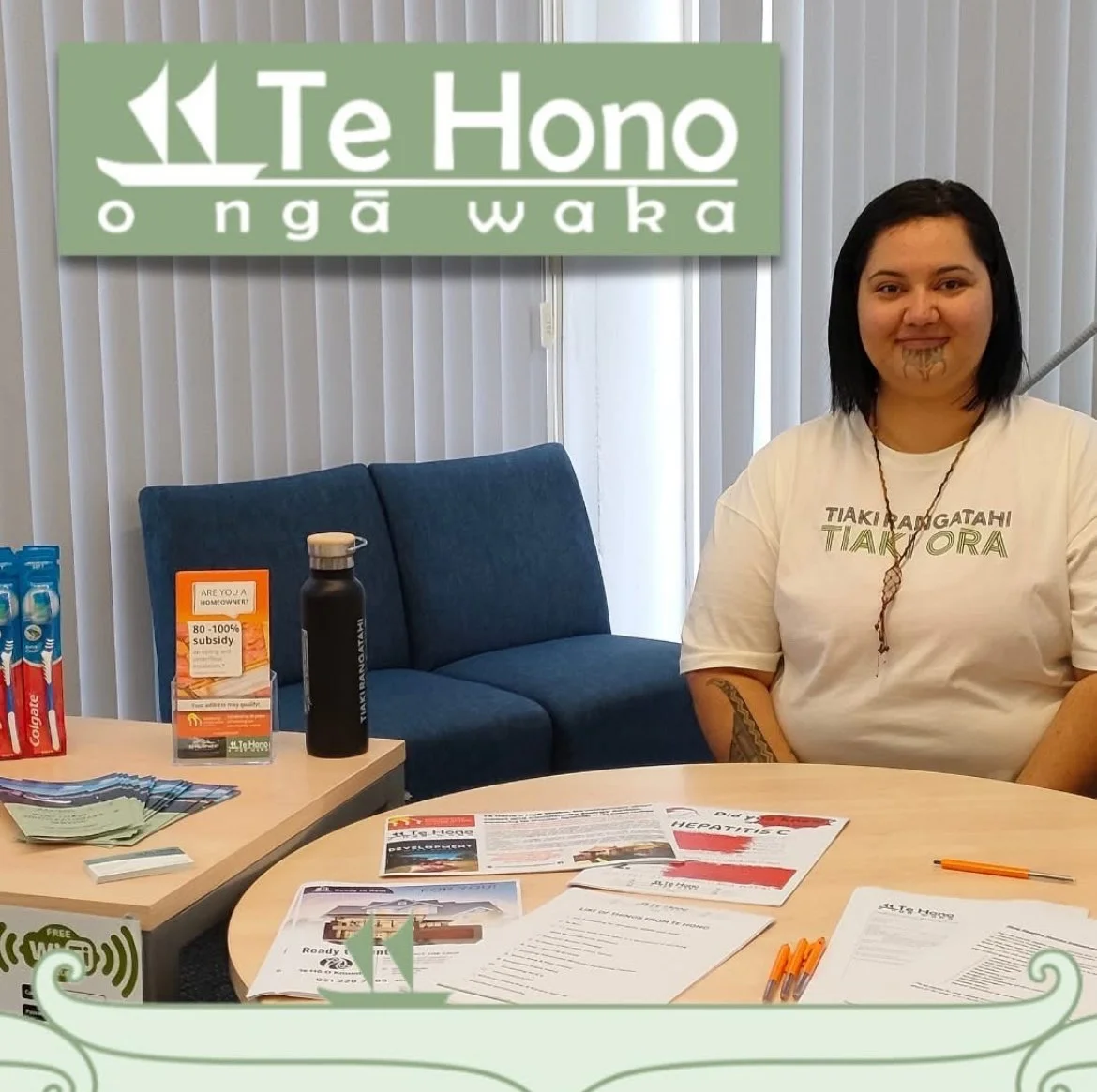
Winter is coming—and at Te Hono o Ngā Waka, we’re here to help our whānau stay warm, dry, and well this season. This morning, we kicked off the first of three Healthy Homes Initiative information sessions at the Hokitika Library, led by the incredible Mikayla Tumahai.
It was a great turnout, with whānau popping in for a cuppa and kōrero about what support is available to help get their homes winter-ready. Mikayla shared valuable information about insulation, heating, ventilation, and other practical ways to improve home health—especially for those living in older or colder whare.
This kaupapa is all about keeping our tamariki and whānau safe and well during the colder months, and ensuring that no one slips through the cracks when it comes to housing support.
If you missed today’s session, don’t worry—Mikayla will be back at the Hokitika Library for two more drop-in sessions on:
Wednesday 29 May
Wednesday 26 June
⏰ 10am – 12pm
These sessions are open to everyone—come along, have a chat, and find out what support might be available for you or your whānau. Nau mai, haere mai!

Waka Ama Long Distance Nationals
What a journey it has been! For the first time, Te Tai o Poutini made it to the Waka Ama Long Distance Nationals — and we took two teams of rangatahi who absolutely gave it everything. All the hard work, the training, the commitment… it all paid off. We did it!
With over 1,000 paddlers from 59 clubs racing over three massive days in Wellington, the energy and atmosphere were unreal. I feel so privileged and proud to have been a part of it all.
On Day 1, our open women’s crew paddled the 8–10km race, finishing an impressive 4th place — that was just our warm-up! Day 2 brought the big one: the 25km Open Mixed Race, and I was honoured to paddle in that race alongside some of the most determined and dedicated people I know. What an amazing effort from our crew.
As I look back, I can’t help but think — how did we get here? Just a year ago we were entering our very first Waka Ama race in Dunedin. Then Te Anau, Kaiteriteri for Waka Te Tasman… and now Nationals in Wellington. It still feels surreal. To go from our humble beginnings to having four teams and 24 paddlers racing against the best in the country, representing our new club Tākina, is something we’ll never forget. What a proud moment for all of us.
To my incredible rangatahi — I couldn’t be prouder of you all. You gave it everything, and your results speak for themselves. You are the reason I do this. I will always carry this waka ama journey in my heart, because of you.
Next up — Ice Breaker Challenge in Dunedin in three weeks! Let’s go!
Lastly, a massive thank you to everyone who has supported us on this journey — to those who messaged, who flew up to tautoko us, who helped with tamariki, who gave their time and energy to make this kaupapa happen we couldn’t have done this without you. From the bottom of my heart — ngā mihi nui.
– Hayley

A Journey of Decolonisation, Connection, and Mana Motuhake
This term, the roto of Te Tai o Poutini have been alive with energy, purpose, and reconnection, thanks to the incredible mahi of Hayley and the kaupapa of Waka Ama. As part of our wider journey of decolonisation within the community, this initiative has brought so much more than paddling to the tamariki and rangatahi of our local kura—it’s brought identity, strength, healing, and pride.
Waka Ama is more than a sport. It’s a vessel that carries the stories of our ancestors, our tikanga, our reo, and our collective resilience. It connects us back to te taiao and each other. Through this kaupapa, tamariki have been given the opportunity to feel that connection firsthand, paddling the same waters as their tūpuna, learning to move as one, to breathe together, to lead and to follow with respect.
Hayley has worked tirelessly this term to ensure more kura across the region can access this experience. From organising sessions to teaching tikanga, to simply being present and encouraging rangatahi to give it a go—her dedication hasn’t gone unnoticed. We mihi to her for holding the kaupapa with such integrity and passion.
We also want to acknowledge all the kaimahi, whānau, kaiako, and volunteers who have supported the kaupapa this term. Whether you helped transport the waka, paddled alongside our kids, or simply turned up to cheer them on—you’re part of this movement too. Decolonisation happens in these everyday moments of reconnection and empowerment.
This mahi is part of a much bigger journey—one where our people reclaim space, language, and identity. Where our tamariki see themselves reflected in their daily experiences. Waka Ama, as simple as it may seem to some, is one of the most powerful tools we have for that.
So from all of us—ngā mihi nui. Let’s keep paddling forward together.

Wahine in-body experience
Over the past few weeks, our whare has been filled with laughter, tears, movement, and moments of deep reflection as we worked alongside the incredible Astiana Trouland, facilitator of the IN-Body Experience – Hokitika edition. It was a privilege to bring this wānanga to life with and witness the unfolding of something truly special.
Asti brought with her a beautiful blend of cold water therapy, cycle mapping, meditation, and somatic movement—tools of transformation that grounded us back into our tinana and wairua. But what truly made this wānanga powerful were the wāhine themselves—those who showed up in truth, in integrity, and with wholehearted presence.
Each one came carrying their own stories, whakapapa, and lived experience—and through sharing, listening, moving, and being together, healing began to ripple out. As Asti said,
“We must remember that what we share is not ours alone. YES, in our story others hear their own.”
This space was safe, sacred, and deeply nourishing. It reminded us how powerful it is to slow down, to reconnect with our bodies, and to remember that transformation doesn’t always come from doing more—but from being still, being honest, and being in our bodies.
To our beautiful wāhine who showed up: thank you. Your courage and aroha continue to shape the space we hold in this community. And to Asti—ngā mihi aroha—thank you for walking alongside us and guiding us with such warmth and wisdom. Mauri ora.

The Launch of Tūhua at Lake Kaniere
Over the past six months, our team has been on a remarkable journey — one of restoration, reconnection, and reclaiming the mana of our taonga. This journey culminated last weekend with the launch of Tūhua Waka at Lake Kaniere — a moment of deep pride and significance for our whānau and community.
Tūhua Waka, named after the ancestral connection to Tūhua (Our Maunga), represents more than just a vessel. It carries the wairua (spirit) of our tūpuna, embodying generations of strength, resilience, and the navigational knowledge passed down through the ages. After being carefully restored over the last six months, Tūhua Waka is now ready to glide once again across the waters of Lake Kaniere, connecting our people back to our whakapapa and the ancient traditions of waka ama.
The Journey of Restoration
The restoration of Tūhua Waka has been a labour of love, led Hayley Smith and her dedicated team , and rangatahi. When the waka was first pulled from storage, it was weathered and worn — the wood aged and neglected. Over the following months, the team worked with care and precision to restore the hull, mend the lashings, and breathe new life into the waka.
Our rangatahi were at the heart of this project, they learned the art of lashing, sanding, and oiling the wood. They listened to the kōrero about the whakapapa of Tūhua and the tikanga surrounding waka — how to care for it, how to enter it, and how to respect the connection between the waka, the water, and our ancestors. This was more than a physical restoration — it was a spiritual and cultural reclamation.
A Symbol of Resilience and Reconnection
Tūhua Waka stands as a symbol of resilience, strength, and unity. Its restoration represents the work of reclaiming our identity and reconnecting with our whakapapa. This project was about more than just restoring a waka — it was about restoring the confidence and pride of our rangatahi, reminding them of the strength and wisdom that already exists within them.
Looking ahead, Tūhua Waka will be used regularly for training and future races, providing our rangatahi with opportunities to develop their skills, confidence, and connection to our traditions. It will also serve as a platform for whānau to gather, paddle together, and continue the intergenerational sharing of knowledge.
Tūhua Waka is not just a waka — it is a vessel for our culture, our stories, and our collective future. As it cuts through the waters of Lake Kaniere, it will carry the hopes and dreams of our ancestors and future generations.
Tūhua Waka has been restored — and so have we.
Ngā mihi nui to everyone who contributed their time, energy, and expertise to this kaupapa. This is just the beginning of a new chapter for Tūhua Waka and the generations who will paddle it forward. 🚣♀️🚣♂️

Supporting Whānau Through Healthy Homes
At Te Hono o Ngā Waka, we are incredibly proud of the mahi our team is doing to support whānau in creating warmer, healthier homes — and Mikayla has been at the heart of it all. Our Healthy Homes kaupapa has been a crucial focus for us, especially as we move through the colder months, and Mikayla’s dedication to this mahi has made a real difference in the lives of our whānau.
Creating Warmer, Safer Spaces for Whānau
Through the Healthy Homes kaupapa, Mikayla has been working closely with whānau to identify and address key issues affecting the warmth, safety, and overall health of their homes. This includes assessing insulation, heating options, moisture control, and ventilation — all of which are critical for preventing dampness and improving air quality. Mikayla has also supported whānau by providing winter packs, which have been especially well-received during the colder months.
The winter packs have included essentials like blankets, hot water bottles, warm clothing, and practical resources to help whānau stay warm and comfortable. Mikayla has ensured that these packs are tailored to the specific needs of each whānau, demonstrating not only her attention to detail but also her genuine care for the people she serves.
Empowering Whānau with Knowledge
Beyond providing practical support, Mikayla has been instrumental in educating whānau about how to maintain a healthier home environment. Through one-on-one sessions and group hui, she has shared valuable insights on reducing condensation, managing heating costs, and improving ventilation — empowering whānau with the knowledge and confidence to create long-term changes.
Real Impact, Real Feedback
The feedback we’ve received from whānau has been heartwarming. One whānau shared how the changes Mikayla helped them make — including better insulation and moisture control — have resulted in fewer winter colds and improved sleep for their tamariki. Another whānau expressed gratitude for the winter packs, saying they made a huge difference during the cold snaps.
Mikayla’s mahi has not only improved the health and comfort of homes but has also strengthened connections within the community. Her approach is mana-enhancing, ensuring that whānau feel supported and valued throughout the process.
Need Support? We’re Here to Help
If you think your home could benefit from an assessment, or if you’d like to learn more about our Healthy Homes kaupapa, we would love to hear from you. Please contact us — we’re here to support you and your whānau in creating a warmer, healthier home environment.
Together, with the incredible mahi of Mikayla and the support of our wider team, we are making meaningful strides toward healthier, more secure homes for our whānau. ❤️

Tāne Fishing – A Special Experience
A group of Tāne recently had an incredible opportunity to head out on a fishing trip at Akaroa — and what an experience it was! While the jellyfish put a stop to any successful fishing, it didn’t dampen the spirits of our Tāne. They made the most of the day, soaking in the beautiful sights and connecting with each other.
They were lucky enough to see albatross soaring above, seals lounging on the rocks, and even dolphins swimming up beside the boat — a magical moment for everyone onboard. The Tāne also had the chance to set and pull the cray pots, learning about the local area and its marine life along the way.
Engaging our Tāne has been some of our hardest mahi yet, but it’s these kinds of experiences that truly bring them together and strengthen those connections. A huge thank you to all our supporters who made this possible — your support allows us to create these valuable opportunities for our Tāne to grow, bond, and reconnect. Ngā mihi nui! 🖤🐬🐟
